
Navigation
Acadamic Infrastrcture
A Modern Academic Approach Rooted in NEP 2020
Overview of Academic Philosophy: Shanti Niketan Boarding School’s academic philosophy is firmly grounded in the principles of India’s New Education Policy (NEP) 2020. Emphasizing a shift from rote learning to conceptual understanding, our approach promotes holistic, multidisciplinary education that integrates arts, sports, and vocational skills. We follow the NEP’s new curricular structure, prioritizing foundational literacy and numeracy while fostering critical thinking, creativity, and experiential learning.
Our pedagogy embraces multilingualism and personalized learning paths, supporting each student’s unique talents and interests. Regular formative assessments replace traditional exams to encourage deeper learning and skill development. By aligning with NEP 2020, Shanti Niketan is committed to nurturing lifelong learners equipped with ethical values, scientific temper, and global awareness, prepared to thrive in a rapidly changing world.
Teaching Methods / Approach:
Key teaching methods include:

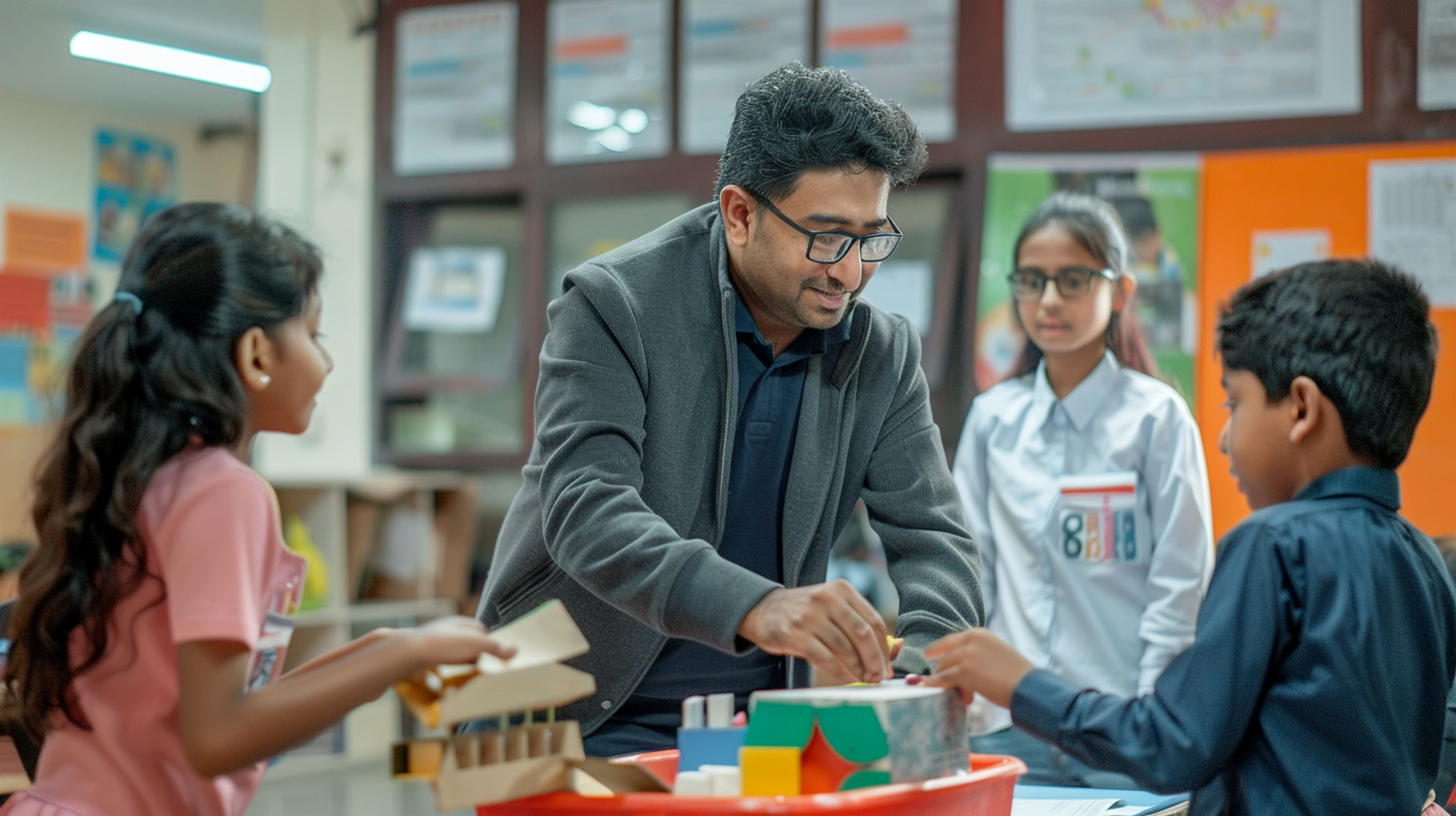
Experiential Learning
Students engage in hands-on activities, projects, and real-world problem-solving to deepen understanding and apply knowledge practically.
Multidisciplinary Approach
We integrate arts, sciences, humanities, and vocational skills, allowing students to explore diverse interests and develop a broad skill set.
Inquiry-Based Learning
Encouraging curiosity and questioning, students learn to analyse, research, and synthesize information independently.
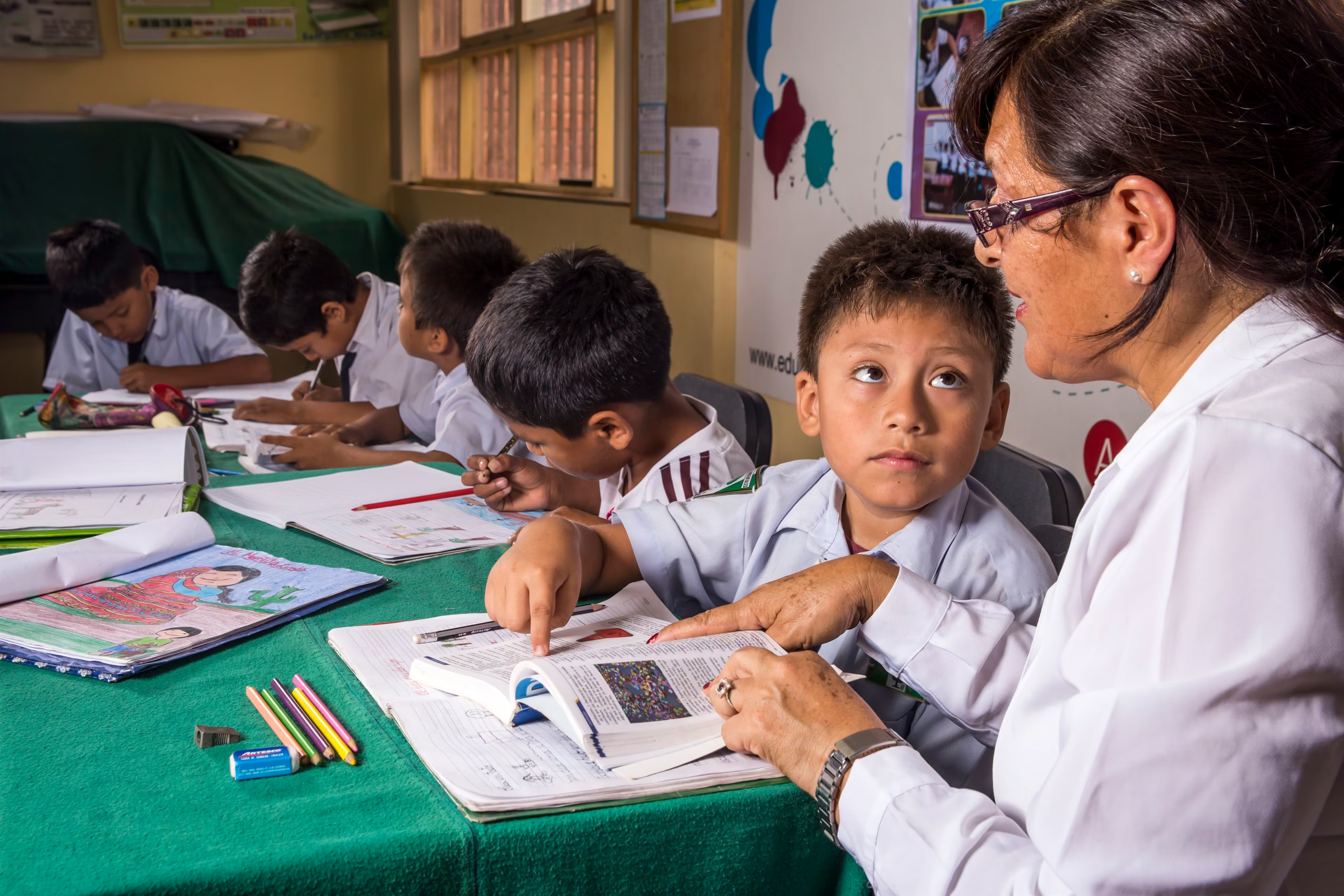
Collaborative Learning
Group discussions, peer teaching, and teamwork promote social skills, communication, and empathy.


Personalized Learning
Regular formative assessments and adaptive teaching strategies address individual learning styles and pace, supporting every student’s growth.
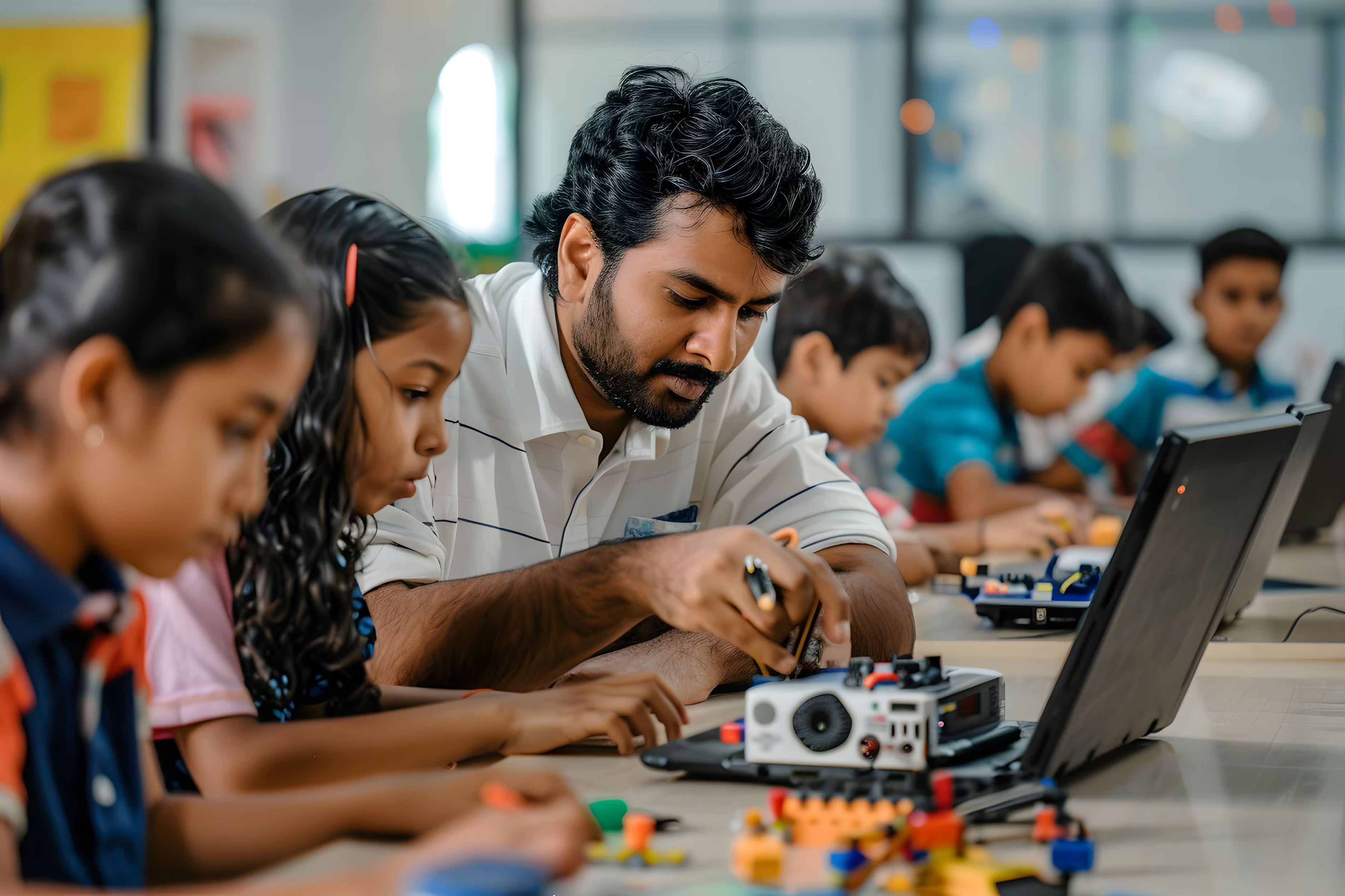
Technology Integration
Digital tools and resources enhance interactive learning and prepare students for a tech-driven world.
Language and Communication Focus
Emphasizing multilingual proficiency as prescribed by NEP, fostering strong communication skills in English, regional languages, and other languages.

Our approach ensures holistic development by blending academic rigor with emotional intelligence, ethical values, and global awareness, preparing students to thrive in an interconnected world while remaining rooted in India’s rich cultural heritage. This comprehensive, NEP-inspired methodology nurtures lifelong learners ready to contribute meaningfully to society.
Assessment & Evaluation Details :Key
- Formative Assessments: Regular, low-stakes assessments such as quizzes, assignments, projects, and class participation to monitor ongoing learning and provide timely feedback, helping students identify strengths and areas for improvement.
- Summative Assessments: Periodic examinations conducted at the end of terms or academic years to evaluate cumulative understanding while minimizing stress through balanced scheduling.
- Competency-Based Evaluation: Focus on assessing competencies like critical thinking, creativity, problem-solving, and application of knowledge rather than rote memorization.
- Continuous and Comprehensive Assessment (CCA): Evaluation across cognitive, affective, and psychomotor domains, including academic knowledge, life skills, attitudes, and extracurricular participation.
- Self and Peer Assessment: Encouraging students to reflect on their own work and engage in constructive peer reviews, fostering metacognition and collaborative learning.
- Use of Technology: Digital tools and platforms facilitate adaptive assessments and personalized feedback, making evaluation more interactive and efficient.
- Holistic Reporting: Detailed report cards that provide qualitative and quantitative insights into academic performance, behavioral development, and co-curricular engagement, supporting informed guidance for students and parents.
This comprehensive and learner-centric assessment framework ensures that evaluation at Shanti Niketan is a tool for growth and empowerment, preparing students for lifelong learning and success.
Academic Calendar Highlights
- Session Start: The academic year typically begins in early April.
- Term Divisions: The year is divided into two main terms or semesters with periodic breaks in between.
- Holidays: Major holidays are observed in accordance with state and national festivals, including summer vacation around late April to early June, Diwali, Christmas, and other regional festivities.
- Assessments: Formative assessments (FA) and periodic tests are scheduled throughout the terms, with final summative exams usually in March. Parent-teacher meetings (PTMs) are held regularly to review student progress.
- Special Events: Activities like library week, environment day, cultural celebrations, and sports week are integrated to encourage extracurricular development alongside academics.
- Vacations: Summer break and winter break are planned considering weather and festival seasons, with exact dates varying annually.
- Reopening Dates: Schools reopen after vacations with orientation and introduction sessions to set the tone for the new term.